

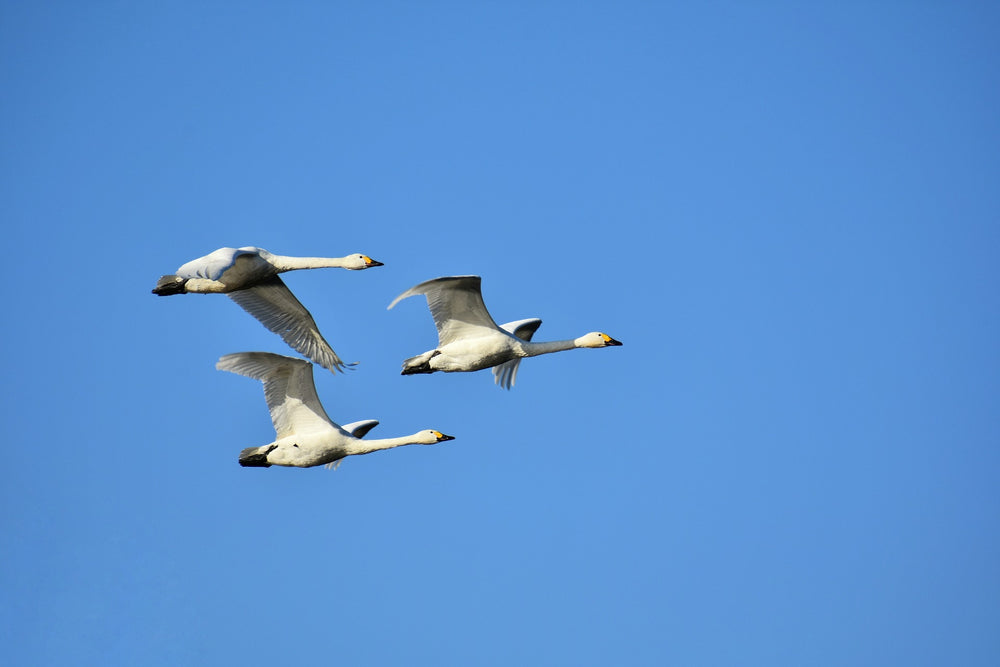

“Avian flu” is a commonly used colloquial term for avian pestilence or avian influenza, referring to a disease in birds caused by avian influenza viruses.
|
|
Avian flu is an extremely contagious and devastating disease that causes high mortality rates in poultry (mainly chickens and turkeys, but also pheasants, guinea fowl and wild birds. Waterfowl and pigeons). Affected birds develop fever, breathing difficulties and diarrhea. Within a few days, almost all animals in a population fall ill suddenly. They stop laying eggs and can die within hours or days. |

The consequences of avian flu are immediate and financially severe. However, with a change in mindset and planning, a comprehensive safety program can be introduced to minimize the impact of potentially catastrophic outbreaks.
Stopping the spread of avian flu
Avian flu is caused by an orthomyxovirus (influenza A virus H5N1). It can survive outside the host for extended periods, with birds becoming infected through contact with other birds, but also through contact with vehicles, equipment and personnel traveling between farms, markets and slaughterhouses. Avian flu outbreaks are generally seasonal and coincide with late autumn and early spring, during the migration of wild birds, especially waterfowl.
Biosecurity is the only real way to stop the spread of the avian flu virus on and around a poultry farm. Producers must achieve the highest possible level of biosecurity through management, their employees and their suppliers. In affected farms, it was observed that the main route of transmission to poultry production facilities was closely linked to the transport of infected live birds, contaminated carcasses or waste in vehicles, which clearly highlights the importance of biosecurity protocols for the cleaning and disinfection of vehicles.
Poultry producers may find it difficult to justify this precaution, as time must be spent ensuring that vehicles are properly disinfected, which can have financial implications. However, the risk of contaminated vehicles or associated equipment with infectious bacterial and viral particles such as avian flu could be extremely dangerous to animal health and ultimately to the financial viability of a farm.
Can humans become infected from infected animals?
Yes, in rare cases, most likely from chickens and turkeys. When chickens and turkeys are sick, they excrete so many viruses that other animal species or, in rare cases, humans can become infected. Ducks, swans and geese are a natural reservoir for influenza viruses. Therefore: avoid direct contact!
Effective biosecurity measures
Poultry producers should ensure that their biosecurity measures are strictly followed and include the following:
- Strict access controls
- Biosecurity during transport – disinfection troughs and spraying for tires
- Shoe disinfection
- Hand washing and protective clothing
- Avoidance of contact between the flock and wild birds
- Thorough cleaning of poultry houses with a particularly strong multipurpose cleaner (e.g. Biosolve Plus)
- Regular, thorough and effective disinfection of poultry houses is particularly important, as avian flu viruses can survive well in water. Simply washing with water alone can therefore promote their transmission.
Virkon S - Use in avian flu
|
Virkon S, a world-leading veterinary disinfectant, is considered the disinfectant of choice for emergency control of avian flu. Studies by independent international testing laboratories prove the effectiveness of Virkon S against pathogenic strains of the highly contagious flu virus in birds. |
|

These studies show that Virkon S inactivates pathogenic subtypes of avian flu. This also applies under difficult conditions such as heavy organic load, dilution by rainwater, at low temperatures and with the wide spectrum of pathogenic germs that can exist in agricultural farms. Virkon S is recommended at a dilution of 1:100 (10 g of powder in 1 liter of water) for use as a preventive and continuous biosecurity measure to achieve high effectiveness quickly.
The high effectiveness of Virkon S against members of the Orthomyxoviridae virus family (including avian flu of subtype H5N1) has already been proven in a series of tests. Therefore, it is expected that the disinfectant will also inactivate subtype H5N8.
Virkon application:
The powder is dissolved in water before use. It loses no effectiveness when used with particularly hard water or low water temperatures.
- Dissolve the required amount of Virkon S with the required amount of lukewarm water
- Thoroughly moisten all surfaces to be disinfected with the Virkon S solution
- Allow to dry
- Allow to work for at least 10 minutes
- Rinse metal surfaces with water after disinfection
Other notes:
- The Virkon S solution is stable for approx. 7 days. As soon as the solution has lost its pink color, its effectiveness is no longer guaranteed.
- Store tightly closed, below 25°C, dry (<45% humidity) and out of reach of children
- Do not spray into the eyes or allow to come into contact with the skin; if so, wash with plenty of water
- Dispose of the completely emptied packaging with municipal waste
Composition:
Mixture of inorganic peroxide-containing components, inorganic salts,
anionic detergents.
- Active ingredient: Potassium monopersulfate 498mg/g
- Contains: Dikaliumperoxodisulfate